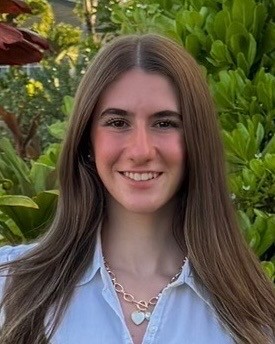
Nadine Gartner, Chief Advancement Officer: In Conversation With Rabbi Eve Posen
Nadine Gartner has spent decades working at the intersection of law, finance, and nonprofit leadership. Now, as OJCF’s first Chief Advancement Officer, she’s channeling that experience toward one of the most consequential questions facing our region’s Jewish community: How do we sustain and grow what we’ve built while opening the doors wider than ever before?
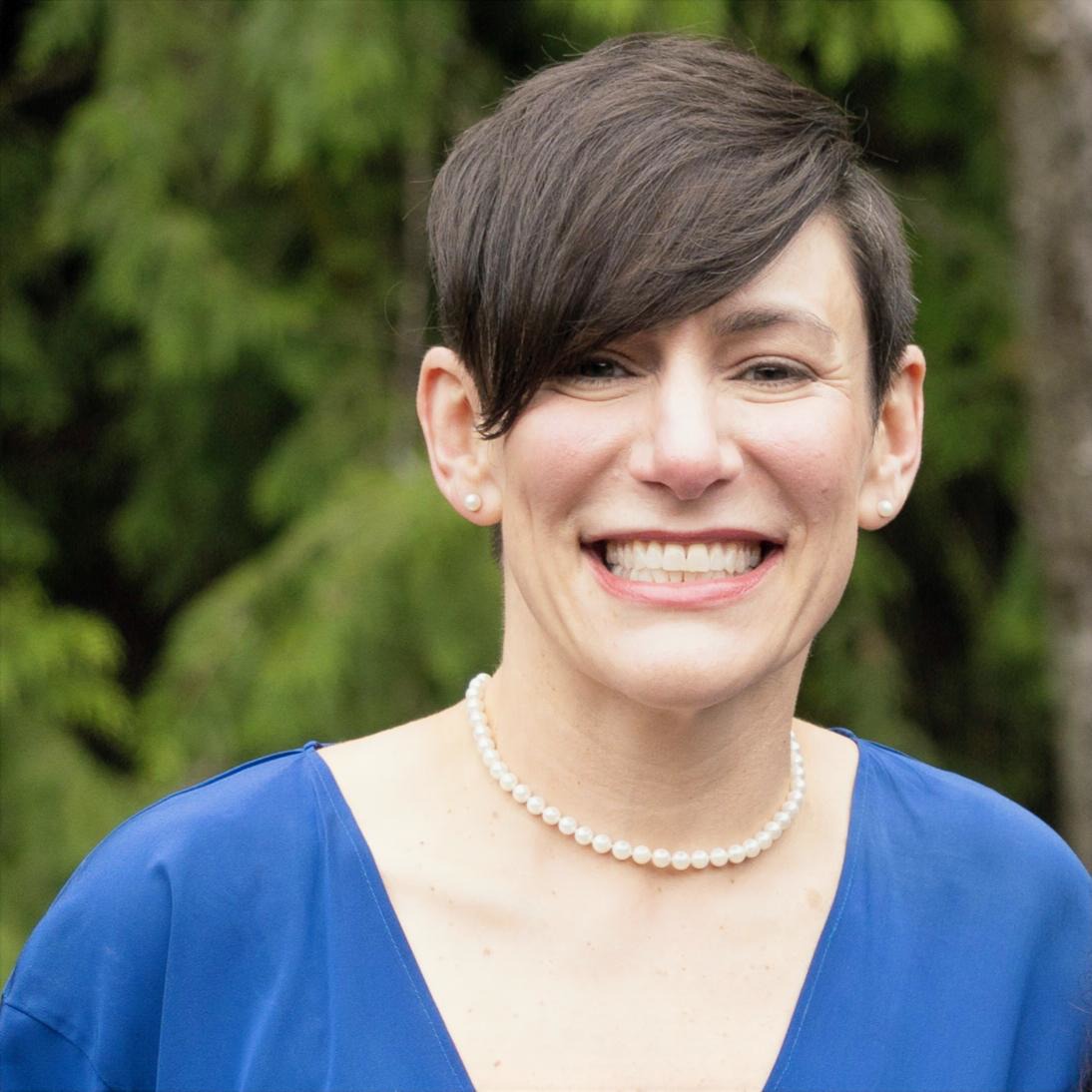
Nadine Gartner, Chief Advancement Officer: In Conversation With Rabbi Eve Posen
Nadine Gartner has spent decades working at the intersection of law, finance, and nonprofit leadership. Now, as OJCF’s first Chief Advancement Officer, she’s channeling that experience toward one of the most consequential questions facing our region’s Jewish community: How do we sustain and grow what we’ve built while opening the doors wider than ever before?
In this interview, Rabbi Eve Posen, Senior Rabbi at Congregation Neveh Shalom, asks Nadine about her path to OJCF, her vision for the foundation’s future, and what “advancement” really means in a moment when Jewish identity, belonging, and community are all in motion.
Rabbi Eve Posen: You’ve had a relationship with OJCF both as a volunteer leader and now as a professional. Can you share a little about your journey with the Foundation and what drew you to this work?
Nadine Gartner: I first joined OJCF in 2021 as Portland Jewish Academy’s board representative to OJCF’s board of trustees. In that role, I learned about the Foundation’s inner workings and broad impact across Oregon and southwestern Washington. In 2025, after working as an investment banker, litigation attorney, and nonprofit executive, I decided to make a career pivot and dedicate myself to our Jewish community. The Foundation offered a perfect confluence of my interests and professional experiences.
As OJCF’s first Chief Advancement Officer, you have the opportunity to help shape a brand-new role. What excites you most about that opportunity, and what do you hope to build in the years ahead?
As OJCF’s first Chief Advancement Officer, I see myself as both a strategic architect and a builder of our long-term goals. I am excited to help craft OJCF’s forward-looking vision and align our fundraising, donor engagement, communications, partnerships, and board involvement around that vision. I plan to focus on creating the systems, relationships, and culture that support sustainable growth, both in terms of our assets under management and our philanthropic giving to the Jewish community and beyond. I will work closely with CEO David Forman, OJCF staff, and the board of trustees to expand the Foundation’s impact and position it well for the future.
You’ve moved from leading outreach efforts to overseeing advancement more broadly. How do you think about the relationship between those two areas, and how has your perspective evolved as your role has grown?
I see outreach as a necessary and vital component of advancement. Outreach focuses on external engagement and relationship-building, while advancement encompasses that plus shaping organizational strategy and overseeing donor relations and stewardship, community partnerships, planned giving, youth programs, and communications and marketing. The shift means that I split my attention between external engagement with prospective and current donors and partners and internal collaboration with our staff and board.
Having served in leadership roles across our community, including as President of both the MJCC and Portland Jewish Academy, you’ve seen our Jewish ecosystem from many angles. When you look ahead, what gives you the most hope and excitement about OJCF’s future?
I am most excited by OJCF’s potential to shape and sustain Jewish community in our region for decades to come. It feels like we are at an inflection point with generational transfers of wealth, dissipating associations with institutions, and wildly differing viewpoints on Israel and Jewish identity. OJCF has the opportunity to connect people and build community, ensure Jewish continuity in our region, and make sustainable the organizations that our Jewish community needs and wants.
We’re living through a moment of significant change in Jewish life: rising antisemitism, evolving Jewish identities, and new questions about how people connect to community. How do those realities shape your understanding of OJCF’s role and the work of advancement today?
To me, “advancement” in this current environment means broadening our audience and helping people see themselves in our mission. I want every person in our region who identifies as a Jew or as Jew-ish to understand how OJCF contributes to a vibrant and resilient future for us all. That requires us to build sincere relationships across generations, create opportunities for meaningful engagement, listen closely to community needs, and demonstrate impact in ways that resonate with different audiences. Advancement has to connect and weave the beautifully diverse perspectives throughout our region and find the common threads that strengthen and empower our communities.
Every Jewish community has its own character and story. What feels unique about Jewish life in Portland, and where do you see the greatest opportunities for growth and connection in the years ahead?
Portland’s Jewish community is unique in many ways. Jews are a small but mighty percentage of Portland’s population, and, for those affiliated with a synagogue or another Jewish institution, it is pretty tight-knit. You often see the same group of names serving on the boards of our institutions and donating the larger gifts. However, only about 20% of us are affiliated, meaning that 80% of our Jews may not be known by our communal organizations. We have a tremendous opportunity to connect with and build community with those folks. Also, according to recent data from PJ Library, a national organization that distributes free Jewish children’s books, Oregon has the highest percentage of multi-faith households and queer-led households. If we want to build a Jewish future for Portland, we need to welcome and engage our non-Jewish relatives and LGBTQ family. I’m excited by the possibilities ahead and believe that Portland’s Jewish future will be shaped by the choices we, as community members, lay leaders, and professionals, make together.